February 26, 2026
AI-Powered Learning Meets Traditional Skills: How Pakistani Youth Can Thrive in 2026’s Digital Economy Published: February 27, 2026 |...

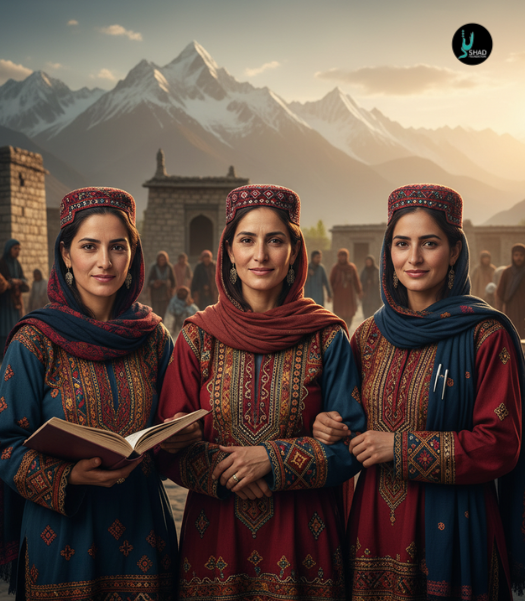
Women empowerment has emerged as one of the most significant global development goals of the 21st century. Empowering women means enabling them to participate fully in social, political, and economic activities, and ensuring equal access to education, healthcare, employment, and decision-making opportunities. While governments and international organizations have introduced various policies and frameworks, the role of Non-Governmental Organizations (NGOs) has been particularly crucial in advancing women’s empowerment at the grassroots level. NGOs, through their community-driven initiatives, advocacy, and capacity-building programs, have transformed the lives of millions of women across the globe, including in Pakistan.
Women empowerment is not limited to providing equal opportunities; it is about giving women the tools, resources, and support to make independent choices, contribute to society, and live with dignity. Empowerment encompasses multiple dimensions:
NGOs work across all these dimensions, tailoring their programs to the specific needs of local communities.
Education is the foundation of empowerment. Many NGOs establish schools, literacy centers, and vocational institutes that cater specifically to women and girls who may otherwise be excluded from mainstream education. For example, in rural areas where female literacy rates remain low, NGOs run adult literacy programs and technical training workshops to enhance women’s employability.
By equipping women with knowledge and skills, NGOs enable them to break cycles of poverty, pursue professional careers, and contribute meaningfully to their families and communities.
Economic independence is a vital step toward empowerment. NGOs play a key role in supporting women entrepreneurs by providing training in business management, connecting them with microfinance institutions, and helping them market their products.
Many NGOs also promote self-help groups (SHGs) where women pool savings, access small loans, and invest in small-scale businesses such as handicrafts, agriculture, tailoring, and food processing. These initiatives not only provide income but also foster confidence, leadership, and community solidarity.
In many developing regions, women lack access to basic healthcare facilities. NGOs address this gap by organizing medical camps, maternal health programs, and awareness sessions on nutrition and hygiene. They also advocate for reproductive health rights and provide counseling services for mental health challenges.
By prioritizing health, NGOs empower women to lead healthier lives, care for their families, and pursue personal and professional goals without being hindered by preventable diseases.
NGOs often act as advocates for women’s rights, working to dismantle harmful cultural practices and discriminatory laws. They conduct awareness campaigns on issues such as child marriage, domestic violence, workplace harassment, and gender-based discrimination.
Through advocacy, NGOs push for policy reforms and ensure that women’s voices are heard at both local and national levels. By amplifying these voices, NGOs contribute to shaping societies where women’s rights are recognized and respected.
Another essential role of NGOs is creating safe environments for women. Many NGOs establish shelters, hostels, and community centers where women can access protection, legal aid, and rehabilitation services in cases of domestic abuse or other forms of violence.
These safe spaces provide not only physical protection but also emotional support, helping women regain their confidence and independence. For students and working women, hostels run by NGOs offer secure accommodation and opportunities for personal growth.
Empowering women in leadership roles is another area where NGOs contribute significantly. They run leadership training workshops, mentor women to participate in local governance, and support female candidates during elections. By doing so, NGOs encourage women to play an active role in decision-making processes and policy development.
In Pakistan, women make up nearly half of the population, yet many face barriers in accessing education, healthcare, and economic opportunities due to cultural and structural challenges. NGOs across the country, such as the Aga Khan Foundation, Aurat Foundation, and SHAD Foundation, have made notable contributions to women’s empowerment.
These initiatives demonstrate how NGOs serve as bridges between communities and policymakers, ensuring women are not left behind in development agendas.
Despite their vital role, NGOs face several challenges in promoting women’s empowerment:
To overcome these challenges, NGOs require stronger collaboration with governments, private sectors, and international organizations.
The role of NGOs in women empowerment cannot be overstated. They are catalysts for change, working tirelessly to ensure that women have equal opportunities to learn, earn, and lead. By promoting education, economic independence, healthcare, and social justice, NGOs empower women to break barriers and achieve their full potential.
In countries like Pakistan, where cultural and structural barriers often limit women’s participation, NGOs act as powerful agents of transformation. Their grassroots presence and community-driven approach make them uniquely positioned to address local needs and challenges.
For women to truly thrive, the efforts of NGOs must be supported by governments, communities, and individuals alike. Women’s empowerment is not just a women’s issue, it is a societal goal that strengthens families, economies, and nations as a whole.