February 26, 2026
AI-Powered Learning Meets Traditional Skills: How Pakistani Youth Can Thrive in 2026’s Digital Economy Published: February 27, 2026 |...

Education is not just a right, it is a transformative tool that empowers individuals and strengthens communities. Yet, in many parts of rural Pakistan, girls are systematically denied this fundamental right due to social, cultural, and economic barriers. According to UNESCO and the Pakistan Bureau of Statistics, more than 22.8 million children between the ages of 5–16 remain out of school, and a significant proportion of them are girls. In areas such as Balochistan and Sindh, 78% and 52% of the poorest girls, respectively, have never stepped into a classroom.
Despite constitutional and international commitments to universal education, the path to education for rural girls in Pakistan remains fraught with hurdles:
The global push for Sustainable Development Goal 4 (SDG 4) “Ensure inclusive and equitable quality education for all”, calls for closing the gender gap in education by 2030. Pakistan’s slow progress risks leaving behind an entire generation of girls, limiting their potential to contribute to the nation’s economic and social development.
Studies show that educating girls:
Several NGOs in Pakistan are stepping in where the public sector has struggled, providing holistic and community-based solutions to tackle girls’ education challenges. Here are some impactful strategies:
Organizations such as Shad Foundation and Malala Fund are providing scholarships to female students who face financial barriers. Monthly stipends encourage school retention, especially for adolescent girls.
Bringing education closer to home reduces dropout rates. In hard-to-reach areas, mobile schools and small community classrooms allow girls to attend without walking long distances.
Training local women as educators builds trust within communities and increases enrollment. NGOs prioritize gender-sensitive teacher development programs.
Grassroots campaigns involving religious leaders, elders, and parents are changing mindsets around the importance of educating girls.
Improved facilities, boundary walls, separate toilets, and menstrual hygiene products ensure girls feel safe and dignified at school.
At Shad Foundation, we believe every girl deserves a chance to learn, grow, and lead. Operating in underserved regions of Pakistan—including parts of Upper Chitral, Gilgit-Baltistan, and South Punjab—our education-focused interventions are designed to break barriers for girls.
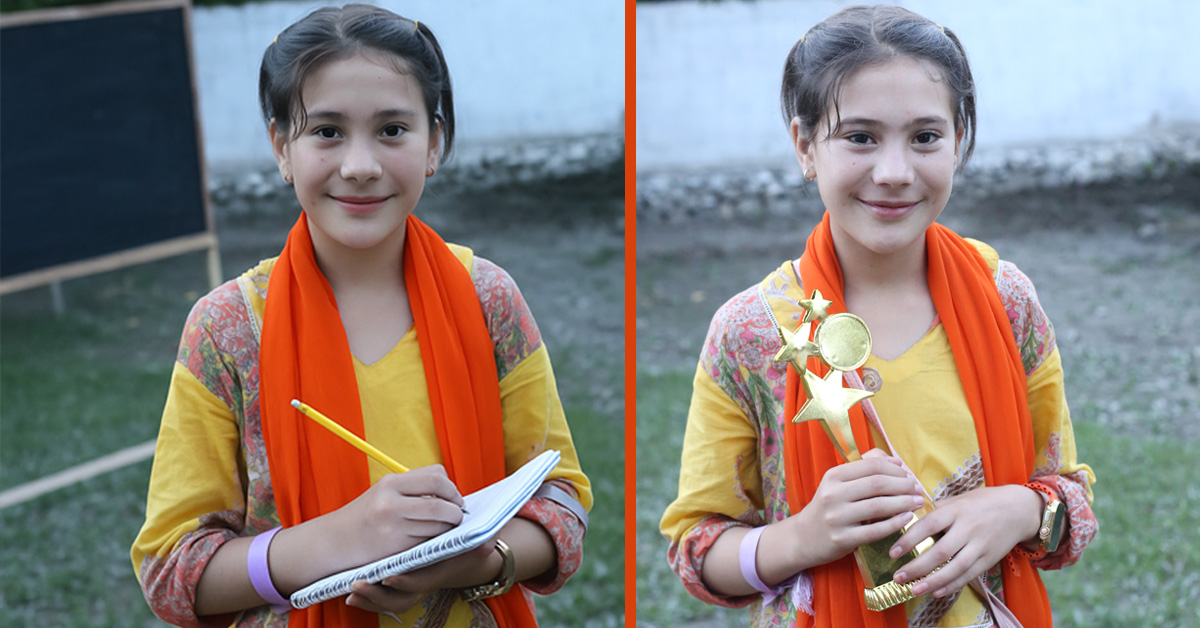
Fatima Bibi, a 14-year-old from Chapali, Upper Chitral, was at risk of dropping out due to household responsibilities. Through a Shad Foundation scholarship and mentorship program, Fatima not only returned to school but now mentors younger girls in her village. Today, she dreams of becoming a doctor.
While NGOs like Shad Foundation are making strides, systemic change requires collaboration at national and provincial levels. Key policy recommendations include:
To further promote awareness and search engine visibility, content on girls’ education should include trending search terms like:
By incorporating these search-friendly phrases, Shad Foundation can reach a broader audience and attract more support.
Bridging the girls’ education gap in rural Pakistan isn’t just about building schools—it’s about building futures. It requires collective action from government bodies, communities, NGOs, and citizens. At Shad Foundation, we are proud to be part of this movement, empowering girls not just to read and write—but to thrive, to lead, and to change the world.